
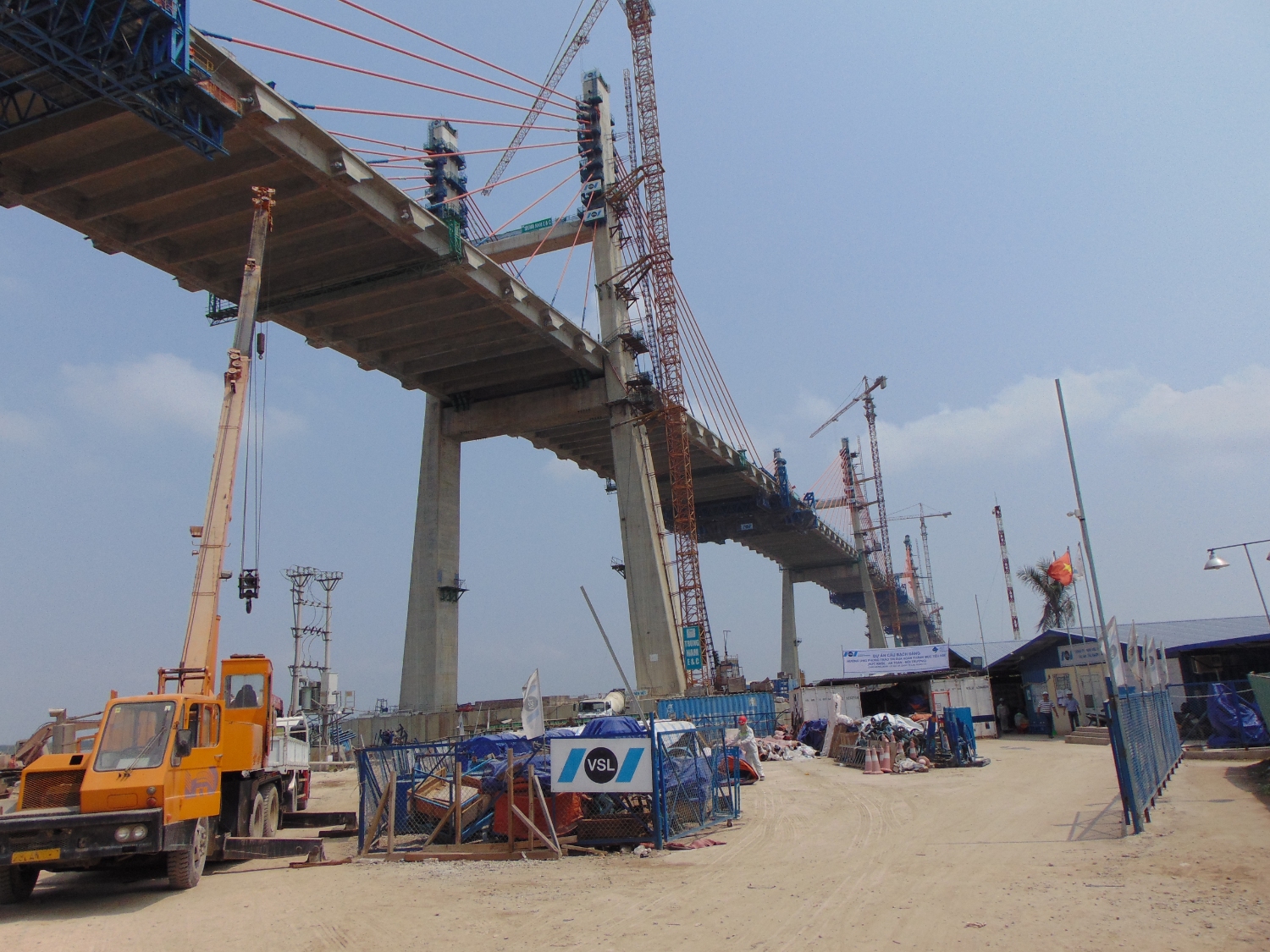
The Bạch Đằng Bridge crosses the Bạch Đằng River from Hải An District, Hải Phòng City, to Liên Vị Commune, Quảng Yên Town, Quảng Ninh. It links up the Hanoi-Hải Phòng-Hạ Long expressway. The project to build the Bạch Đằng Bridge, its approach roads and the interchange at the end of the route is 5.4 km long and 28 m wide, designed for four lanes and a maximum speed of 100 km/h. The main bridge is a 700 m cable-stayed bridge with a span arrangement of (110+240+240+110)m, designed to standard 22TCN 272-05 for HL-93 design loading. The bridge has three pylons, the central pylon 99.74 m high and the two side pylons 94.5 m high, with four cable-stayed spans. Once open, the bridge cuts the Hanoi-Hạ Long journey to 130 km (previously 180 km) and Hải Phòng-Hạ Long to 25 km (previously 75 km).
The Hoàng Văn Thụ Bridge crosses the Cấm River, connecting Minh Khai Ward (Hồng Bàng District) with Tân Dương Commune (Thủy Nguyên District), and is more than 1.5 km long. It is a special-grade transport structure with a total investment of about VND 2,176 billion from the city budget and other sources, with the Urban Development Construction Project Management Board as the investor. The main contractor is the CIENCO1 - Trung Chính - Hồng Hà Joint Venture. The main bridge is a half-through concrete-filled steel tube arch bridge with a span arrangement of (45+200+45)m, 33.5 m wide, carrying 4 motor-vehicle lanes, 2 mixed-traffic lanes and 2 footways, in the shape of a “seabird’s wings”. Its graceful curving form makes it an attractive bridge that blends easily into the local landscape.
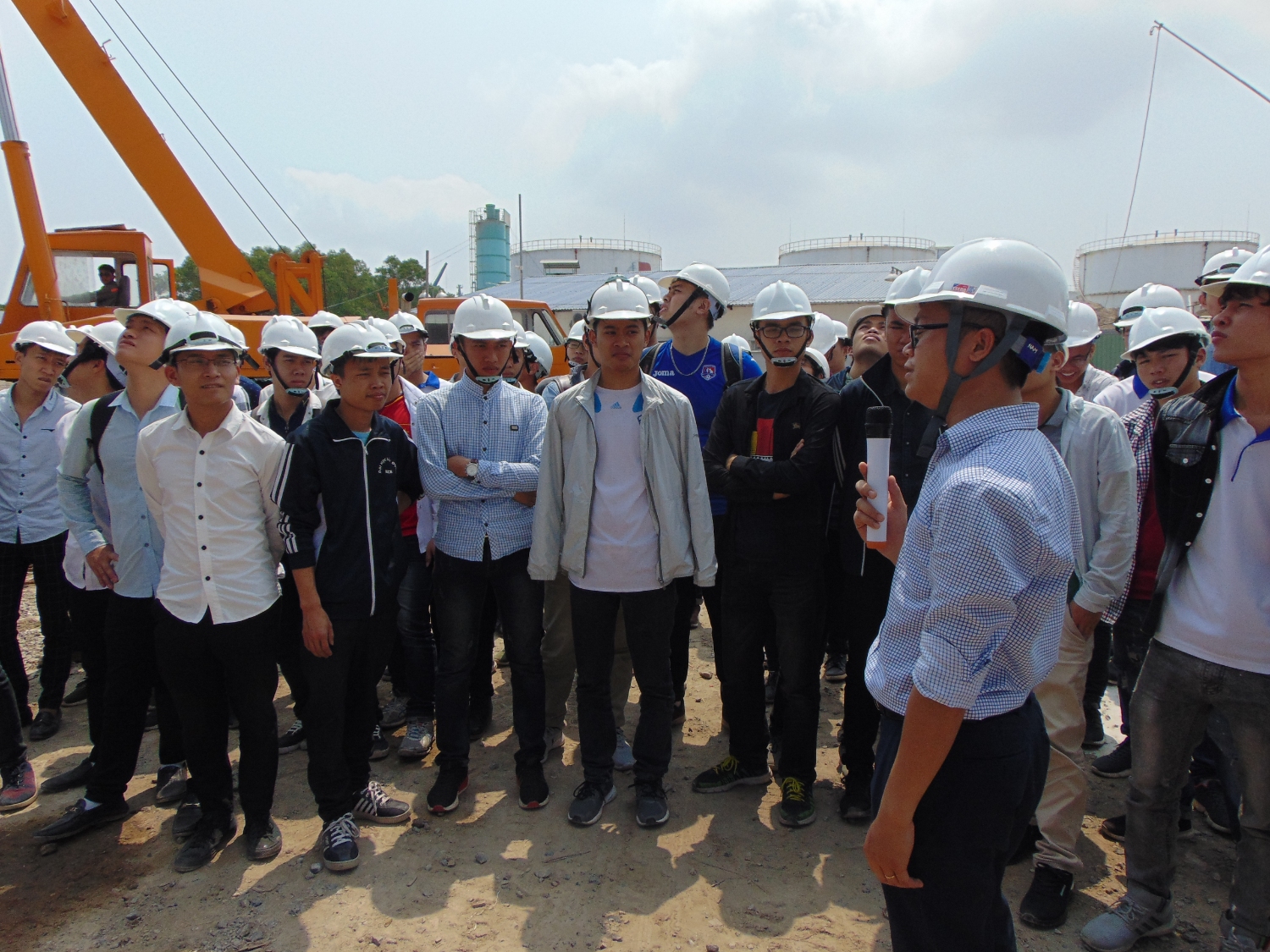
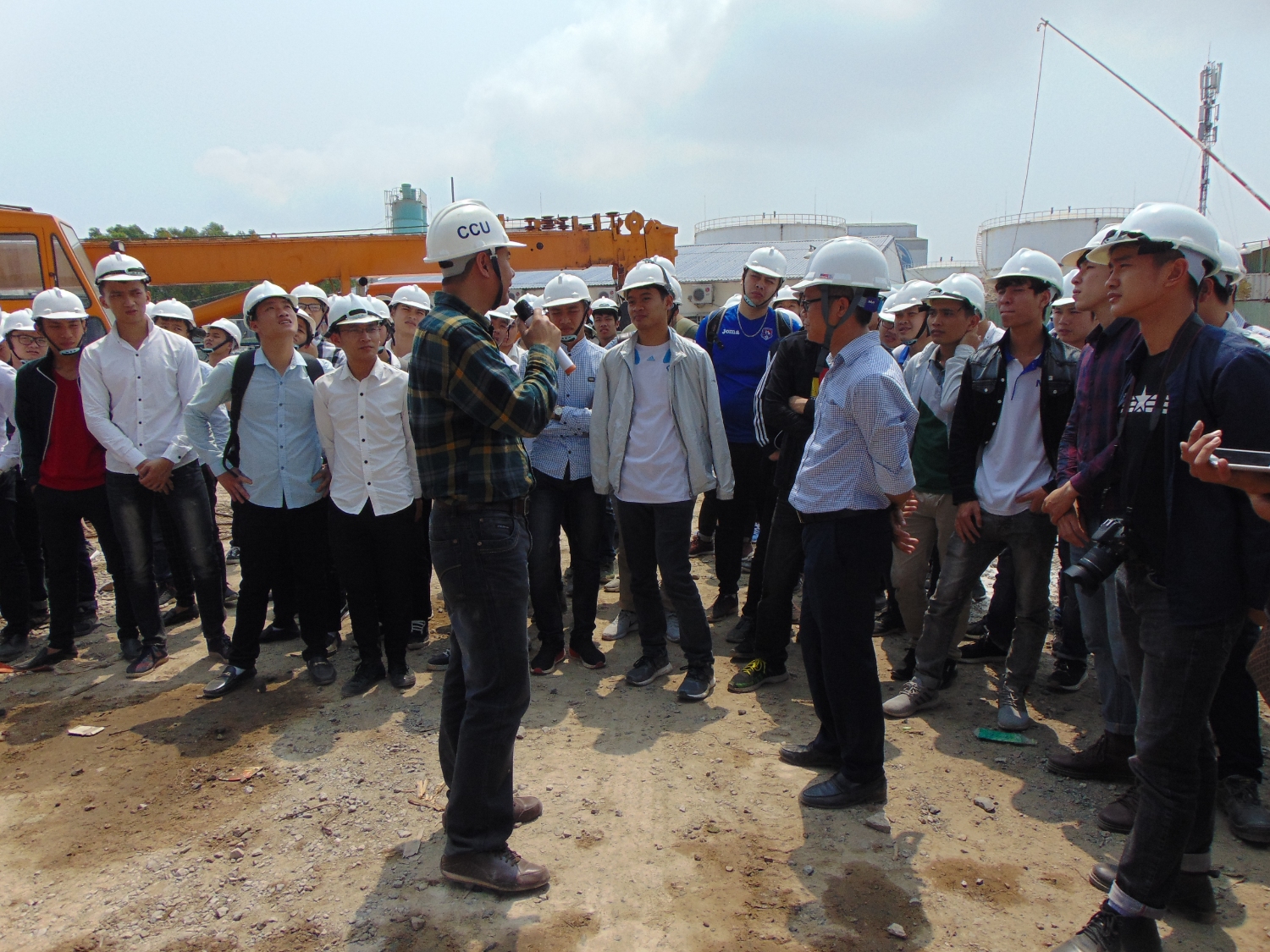
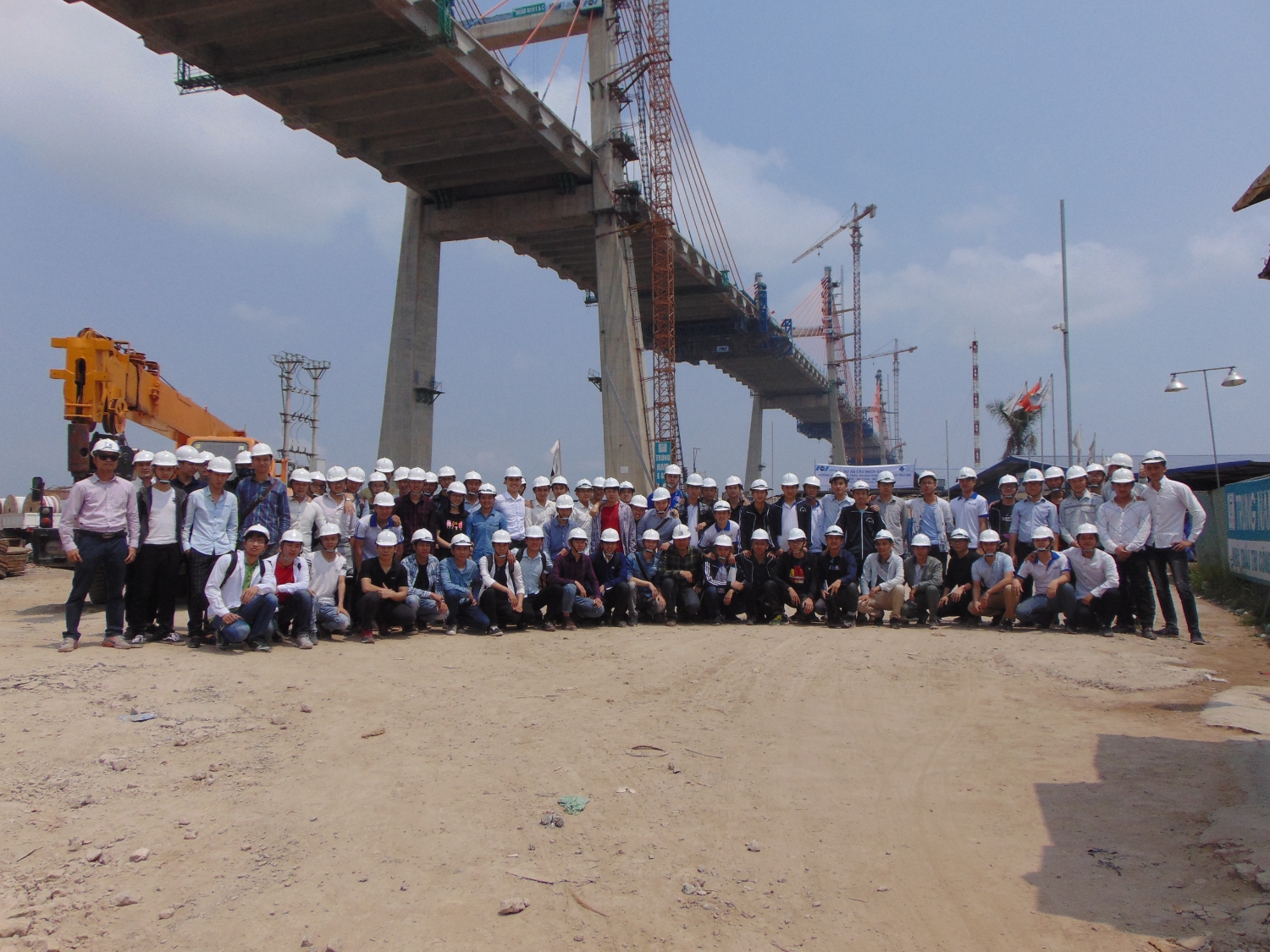
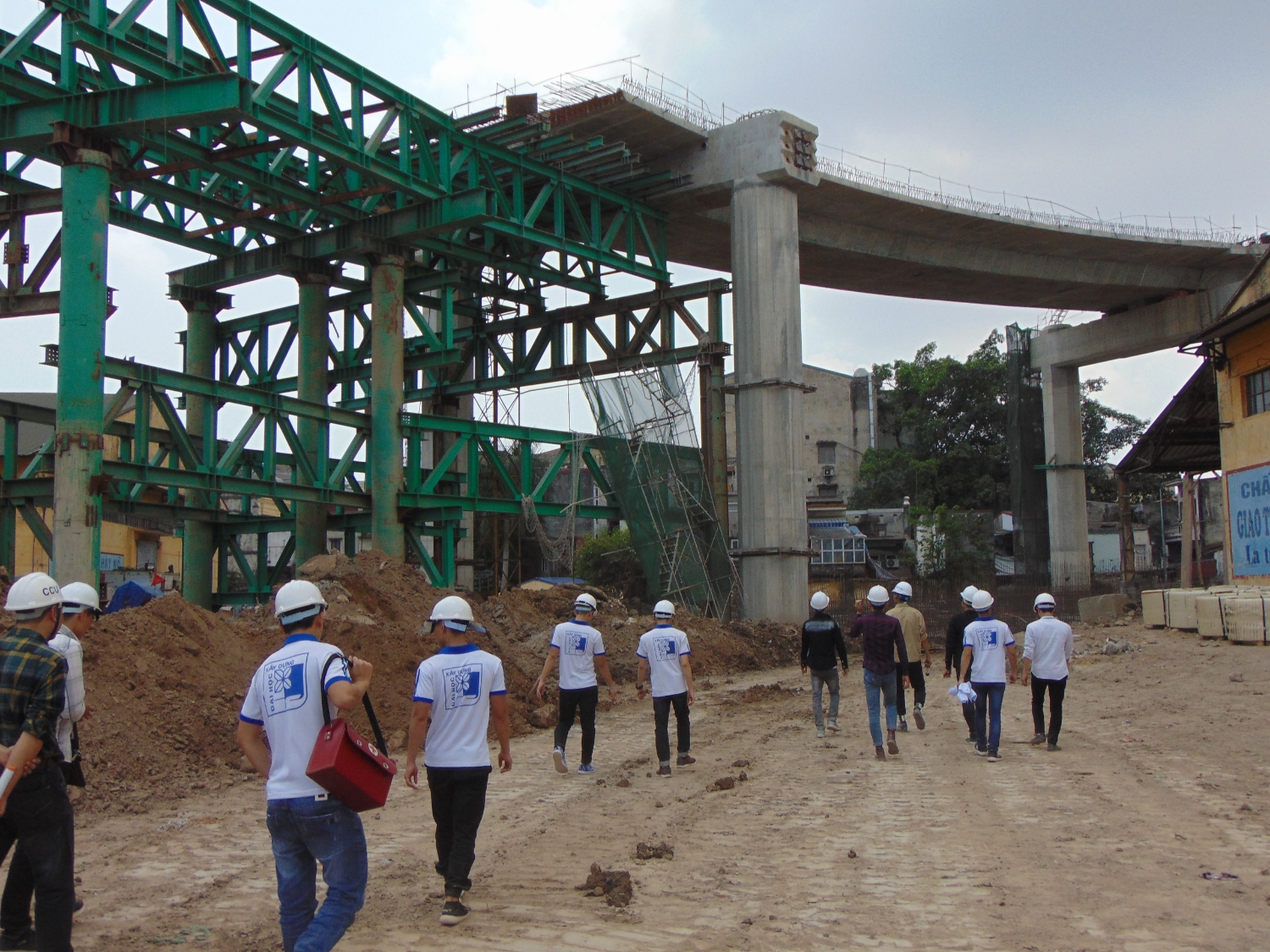
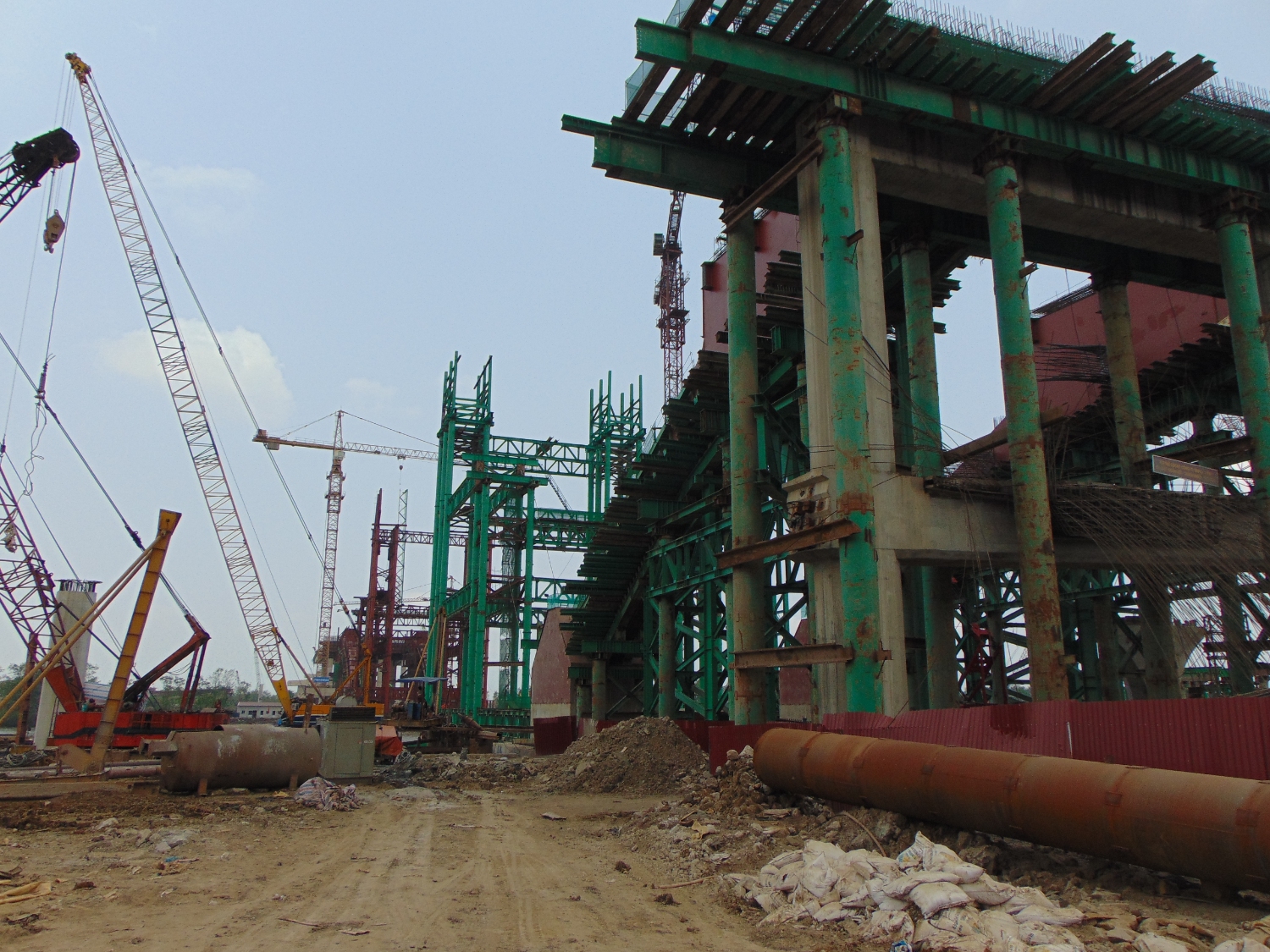
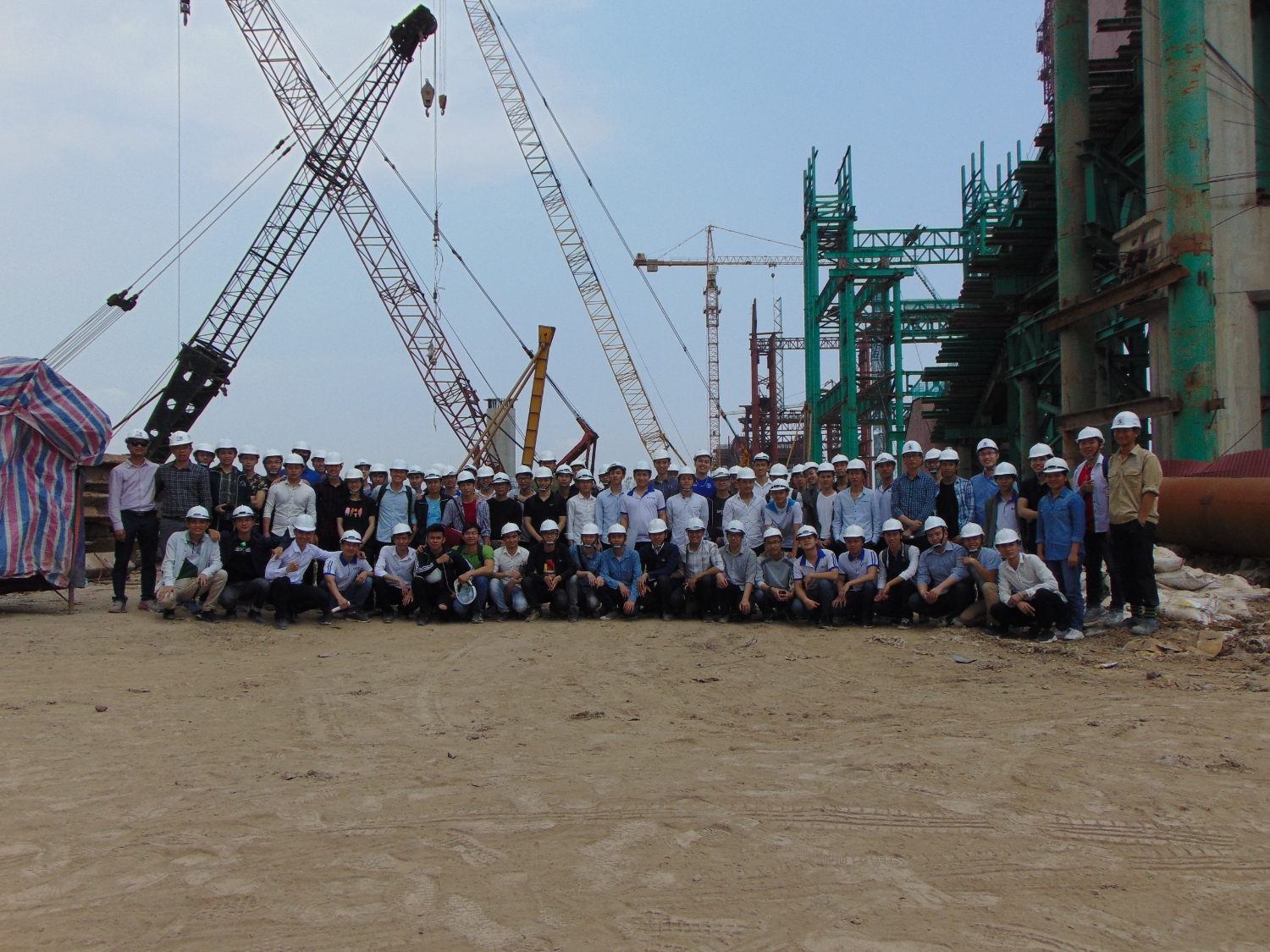
Some photos from the visit to the Bạch Đằng Bridge:
Hoàng Văn Thụ Bridge:
Original post on the former website (Vietnamese): bomoncau.huce.edu.vn